Across the UK, a fresh dining ritual is arising https://turbomines.net/. From bustling London brasseries to cosy country pubs in the Cotswolds, patrons are no longer just scrolling social media or re-reading menus while waiting for their food. Instead, they are engaging in quick, thrilling rounds of the Turbo Mines game. This smart pastime is converting those inevitable minutes of anticipation into a pocket-sized adventure, introducing a dash of excitement to the pre-meal experience. We’re seeing a cultural shift where entertainment effortlessly blends with hospitality, and it’s all happening on the screens of smartphones up and down the country. The game’s rapid-fire nature makes it the optimal companion for the restaurant environment, turning passive waiting into an captivating, energy-filled interlude.
Why the Dining Wait seems Ready for Reinvention
Let’s be honest, the dining wait is a universal experience. Even at the best-run places, there’s a natural delay from ordering to the arrival of your perfectly cooked steak or artisanal pizza. Traditionally, this interval is filled with conversation, people-watching, or simply the aforementioned scrolling on one’s phone. However, these pastimes can become tedious. Come the need for a quick, stimulating activity that fits the timeframe. The British vibrant casual dining scene, known for its social atmosphere, offers the ideal backdrop for this new concept. A short, stimulating game like Turbo Mines doesn’t disrupt the social experience of dining; it frequently adds to it, acting as a shared topic of conversation or even a lighthearted competition. It caters to the current diner’s wish for ongoing, short-form involvement without demanding a lengthy commitment.
The Thinking of Pre-Meal Involvement
Psychologically, a stimulating activity during a short wait can vastly improve how we perceive time and the overall experience. A time of passive waiting can seem drawn out and breed impatience. By offering an engaging mental activity, time appears to go faster, and the shift from arriving to dining becomes more seamless and pleasant. This upbeat activity can even boost our mood before the food arrives, setting a more celebratory and relaxed atmosphere for the dining experience. For eateries, facilitating this positive state—even indirectly through patrons’ own devices—results in a better overall customer experience before the very first mouthful.
Introducing Turbo Mines: The Perfect Compact Partner
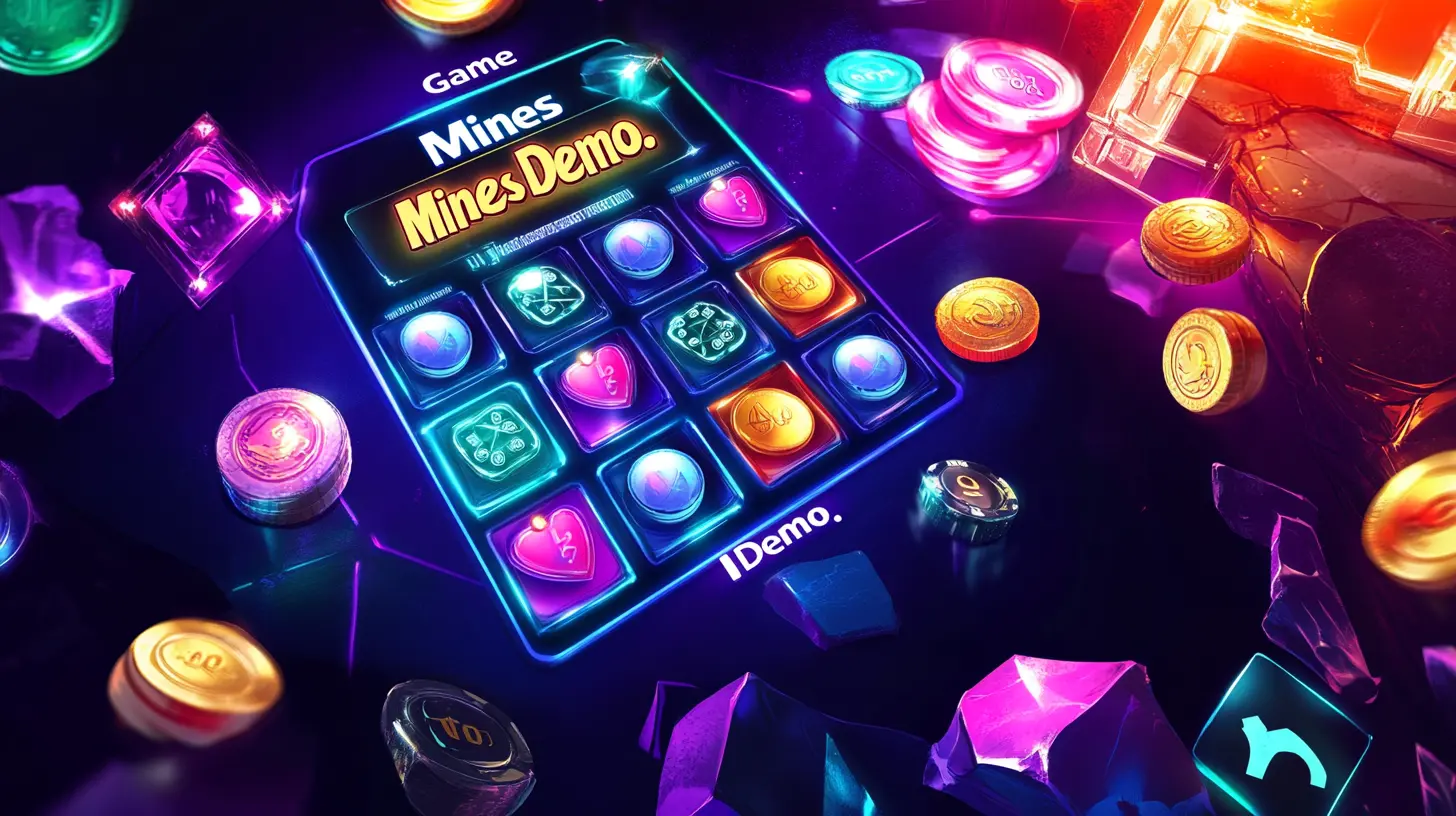
So, precisely what constitutes the Turbo Mines game? Fundamentally, it is a fast-paced, grid-based puzzle of deduction and risk. Users encounter a grid of squares, below which several “bombs” are buried. The goal involves clear the board avoiding any explosions, by interpreting numbers to identify safe cells. The “Turbo” aspect refers to its rapid, thrilling speed, encouraging quick thinking and valuing calculated risks. Its mechanics are straightforward to understand but tough to excel at, rendering it easy to play for a first-time player during a dinner wait while offering depth for regulars. Its self-sufficient design implies you can begin and complete a rewarding session in a short time, making it uniquely suited for those interstitial moments.
Juggling Screen Time with Social Time
A valid concern is the harmony between digital engagement and real-world social interaction. The beauty of Turbo Mines in this context is its ability to be a bridge, not a obstacle. We advocate for a conscious, moderated method. Employ the game as a shared activity, handing the device around the table or talking about strategy. It can be a means to stimulate conversation rather than dampen it. The key is intentionality. Completing a couple of rounds while waiting for the order is fantastic, but once drinks or starters come, the focus should organically shift back to the people you’re with. The game serves as a fantastic filler for the dead air that can occasionally occur before a meal is served, guaranteeing the social energy stays lively from the moment you sit down.
Knowing When to Stop and Interact
Identifying the right moment to put the game down is vital. Good cues are when drinks are served, when the waiter stops by to check on you, or when conversation spontaneously picks up a compelling thread. The game should feel like a pleasant intermission, not the main performance. Suggesting a “winner stops” rule, where the person who attains the best score in a round gets to choose when the gaming stops for conversation, can integrate the activity seamlessly into the table’s dynamic. This conscious approach ensures technology enriches the human experience of dining out, honoring both the culinary and social aspects of the occasion.
The UK’s Affection with Informal Gaming and Dining
The UK has long been a center for both pub culture and a thriving video game industry. This fusion has generated a populace highly open to blending leisure activities. The growth of mobile gaming suits perfectly British lifestyles, whether on a commute or a quiet moment in the pub. Bringing this to the restaurant setting feels like a natural evolution. The informal, no-fuss nature of many UK dining venues—from gastropubs to high-street chains—harmonizes wonderfully with the pick-up-and-play spirit of Turbo Mines. It’s a fresh take on the classic pub puzzle, like the crossword or sudoku featured in newspapers, but updated for the digital, connected age. This cultural fit accounts for why the trend is catching on so rapidly across the nation.
In what ways Turbo Mines Enhances the Restaurant Experience
Incorporating a game like Turbo Mines into the pre-meal ritual delivers more than just whiling away the time; it actively improves the dining-out experience. Firstly, it acts as a fantastic social catalyst. Partners or groups can alternate, give suggestions, or vie for the best score, encouraging interaction rather than isolating individuals into their screens. Second, it offers a mental palate-cleanser, a change in focus from the day’s stresses to a lighthearted challenge. By the time the waiter appears with the starters, the table’s energy is often more vibrant and engaged. For solo diners, it’s a enjoyable, confidence-boosting diversion that makes dining alone feel intentional and amused, not odd.
- Social Catalyst: Encourages shared fun and chat among tablemates.
- Mood Enhancer: A quick win boosts dopamine, placing everyone in a better mood for the meal.
- Stress Buffer: Serves as a mental break from daily stresses, allowing diners to fully be present and be present.
- Patience Builder: Makes waiting feel worthwhile and fun, lessening perceived wait times.
Useful Advice for Playing Turbo Mines Before Eating
To maximize your pre-dinner playing time, a bit of preparation is worthwhile. We suggest having the game ready on your device prior to being seated to prevent download issues when you could be playing. Adjust your phone’s brightness for better visibility in low-light restaurant conditions, and use headphones if possible to hear the game sounds if you’re playing solo, keeping the ambiance undisturbed for others. Establish a flexible time limit—maybe trying to beat your personal best before the drinks come. Crucially, recall that it’s for enjoyment, not the main focus. The game is the aperitif; the food and conversation are the main event. Stay relaxed and be prepared to stop as soon as the food comes, as nothing should upstage that eagerly awaited first taste.
- Install and launch the game prior to the waiter taking your order.
- Adjust device settings for comfort and discretion in the restaurant setting.
- Choose a simple aim, like “three games” or “improve my previous score”.
- Pause immediately when food arrives to savor the meal.
- Treat it as a talking point, not a substitute for conversation.
From Pubs to Fine Dining: Where Does It Belong?
The appropriateness of pre-meal gaming undoubtedly varies by venue. In neighbourhood pubs, gastropubs, and family-friendly chains across the UK, it’s a great match, complementing the informal vibe. In these settings, a quick game is as common as glancing at a football score. For mid-range restaurants and bustling bistros, it remains a great option, notably during peak times when delays might be slightly longer. In more elegant or fine-dining establishments, prudence is crucial. While the practice might still be enjoyed subtly, the emphasis in such places is usually on the ambiance, thorough menu exploration, and sommelier interaction. However, even there, a subtle round while your guest visits the restroom is a modern alternative to just looking at the cutlery.
The Outlook of Pre-Dining Entertainment in Hospitality
Looking ahead, we see this trend as element of a wider movement towards seamless, customised guest encounters. Forward-thinking restaurants and pubs could start to acknowledge this shift, potentially even incorporating understated prompts or challenges via QR codes on placemats or menus. The objective is certainly not to turn dining rooms into arcades, but to recognise that contemporary entertainment is mobile and instant. The achievement of games like Turbo Mines emphasises a demand for intelligent, concise engagement. The hospitality industry has continually adapted to societal habits, and welcoming this digital-native pastime could be a easy way to improve customer satisfaction, making guests feel their minutes—all of it, even the waiting minutes—is appreciated and well-spent.
In the end, the growth of playing Turbo Mines pre-meal in the UK is a testament to our affection for blending wonderful food with great fun. It’s a smart, modern answer to a enduring moment, turning idle waiting into an opportunity for a quick mental adventure. By selecting an engaging, lively game that honours the social occasion, diners are enriching their overall experience, kicking off the celebration the instant they sit down. So the next time you’re in a UK restaurant and you notice that well-known, gratifying click of a safe tile being cleared, you’ll understand someone is not just whiling away the time—they’re accelerating it.